
There is a quiet resistance in the act of paying attention.
We live in an era increasingly enclosed by algorithmic efficiency, predictive optimization, and industrialized digital systems. Our devices know tomorrow’s weather before we look outside, calculate the fastest route home before we leave, and translate our sleep, moods, and health into neat streams of data. Yet within this dense web of information, there remains a subtle form of resistance: the decision to linger over what cannot be measured. The singular. The contingent. The traces of a life that will never fit neatly inside a database.
This is where another figure begins to emerge: the connoisseur of everyday life. They are not collectors in the conventional sense (that you’re likely to encounter in this magazine), but practitioners of a deeply personal archaeology. Working within the immediate vicinity of their own lives, they excavate habits, objects, and places that most people overlook. This kind of self-archaeology demands a willing surrender to what cultural theorists have called archive fever—the almost instinctive urge to preserve, collect, and hold onto the seemingly insignificant. Its purpose is not to assign equal value to everything, but to refuse the assumption that the minute and minor histories surrounding us are merely disposable. After all, we are shaped less by life’s grand milestones than by the rituals, objects, and familiar places that quietly sediment into memory.
Nevertheless, the practice of tending to these everyday traces is increasingly jeopardized by the expansion of the digital. Nostalgia and longing—once among the most intimate of human emotions—have themselves become scalable products, endlessly reproduced and consumed as content. But human beings remain tactile creatures. We want to touch, to sweat, to leave marks behind.
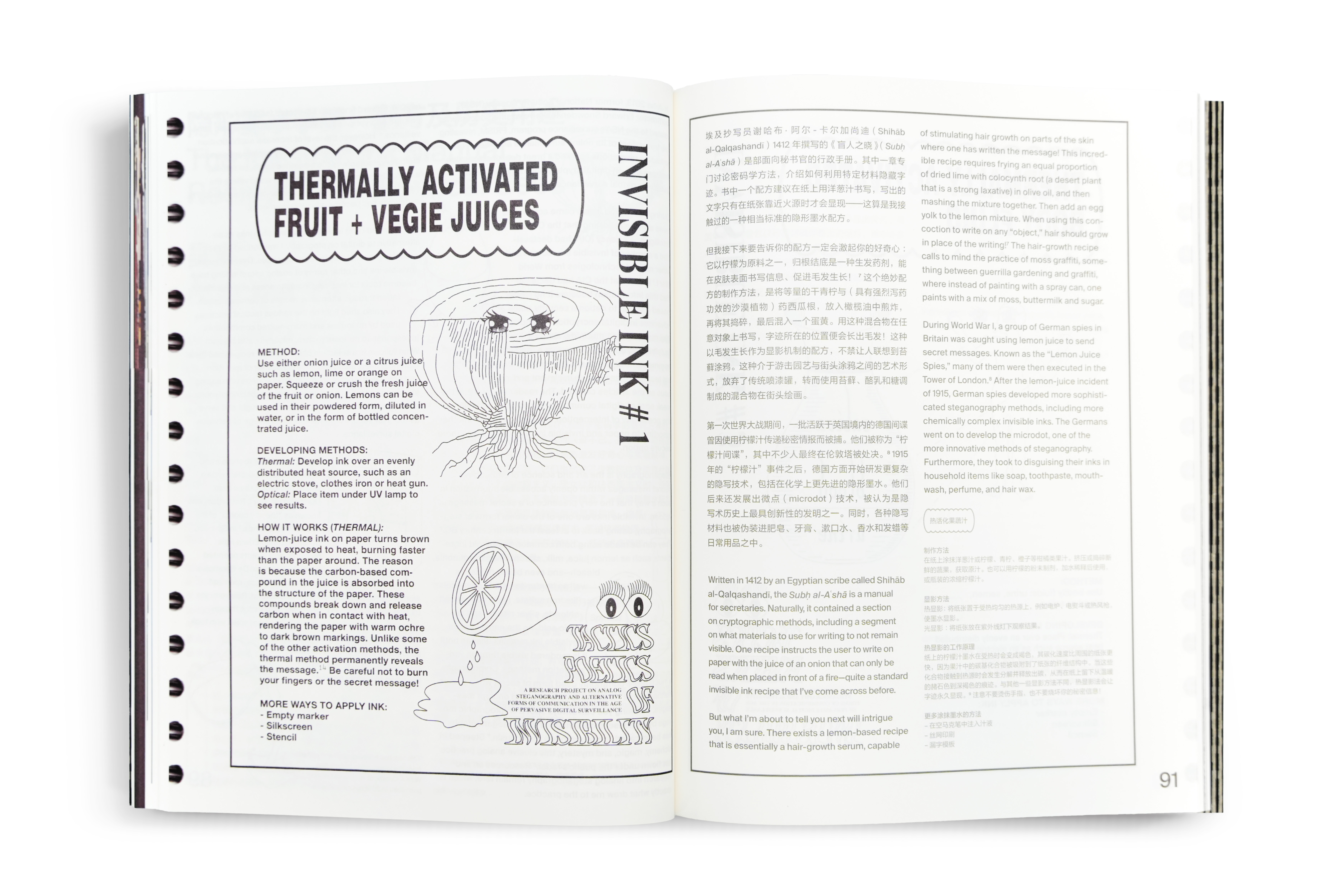
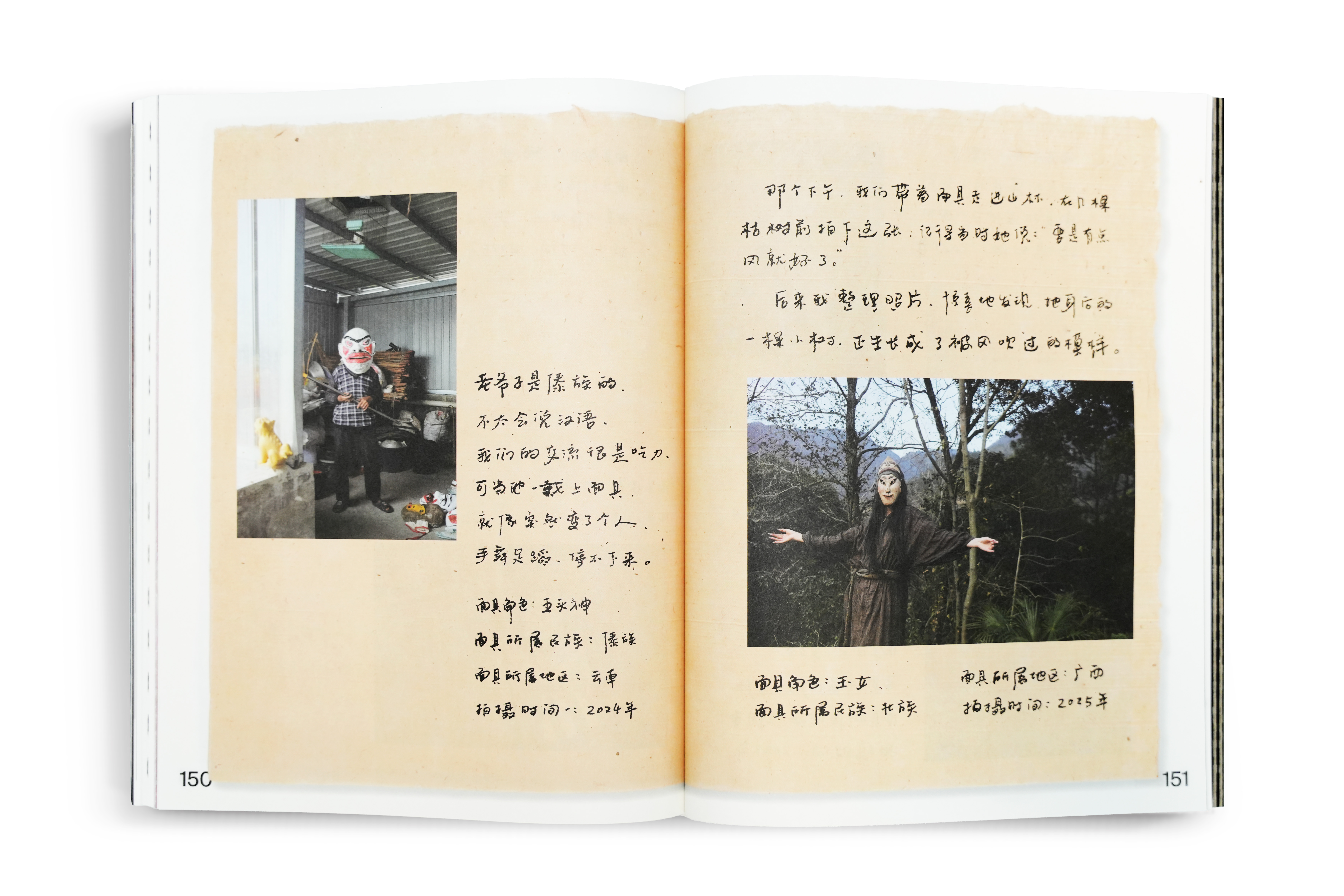
There is something profoundly human in holding a stone tool shaped thousands of years ago, in studying a hand-carved ritual mask, in unfolding a letter written carefully with a brush or fountain pen. Equally stirring is the peculiar nature of invisible journals composed with medieval ink, onion juice, or even bodily fluids—writings that manifest only when warmed by a flame. These gestures may appear obsessive, even irrational, but perhaps that is precisely the point. They belong to a form of knowledge that no algorithm can anticipate or automate: the instinct to leave evidence that a particular life passed through the world.
Nothing material lasts forever. Every archive will eventually decay or melt into air. But as long as we remain committed to the small rituals of everyday life—to preserving, collecting, and caring in ways that are stubbornly inefficient—we continue to leave fingerprints on the glass of history. Perhaps this quiet practice of collecting life itself is one of the gentlest, and most resolute, ways to resist a world from which friction is steadily vanishing.
Contents
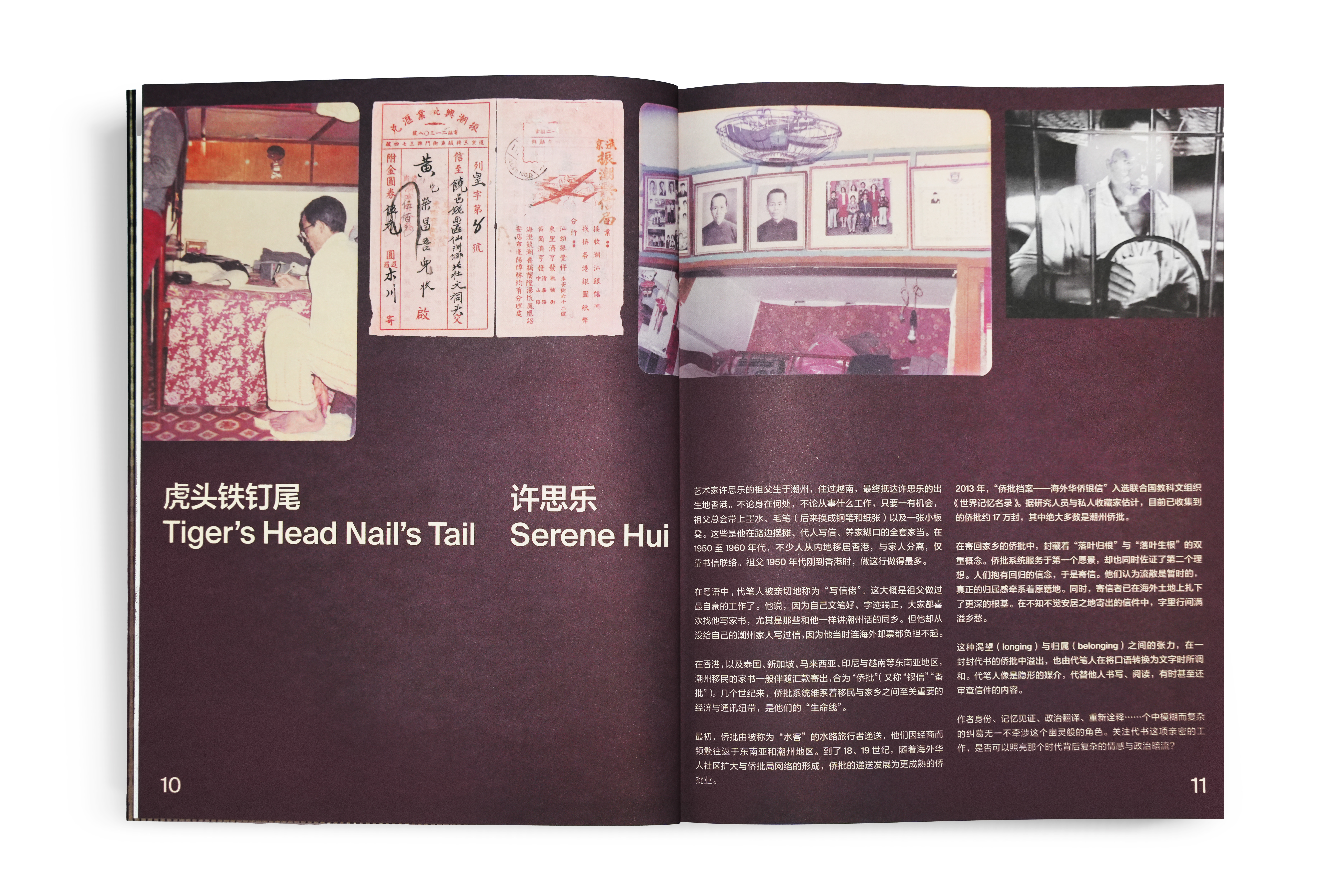
Tiger’s Head Nail’s Tail
Project by Serene Hui
Notes on Sheshan—Toward a Scientific History
Project by Liu Lin and Luo Hao
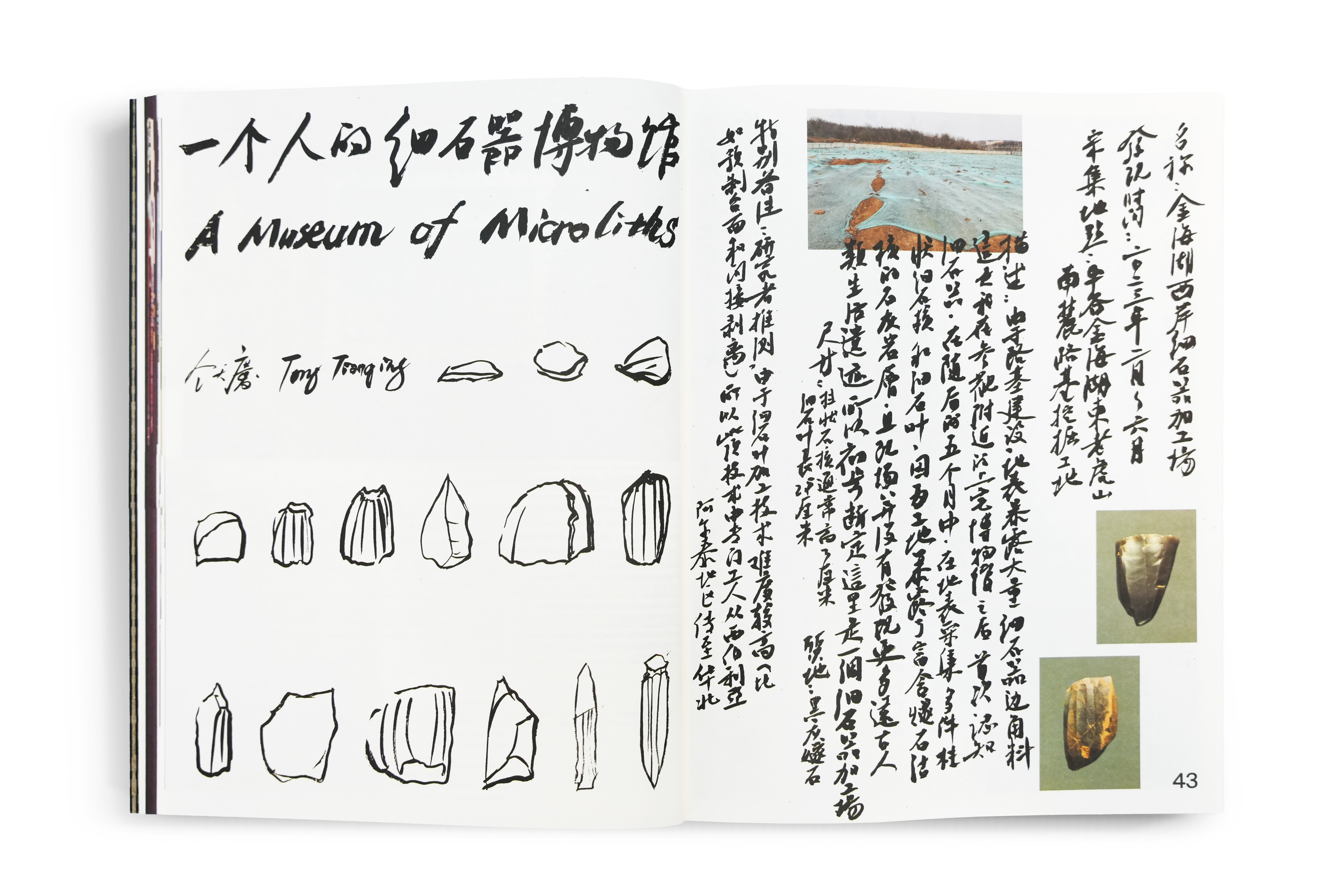
A Museum of Microliths
Project by Tong Tianqing
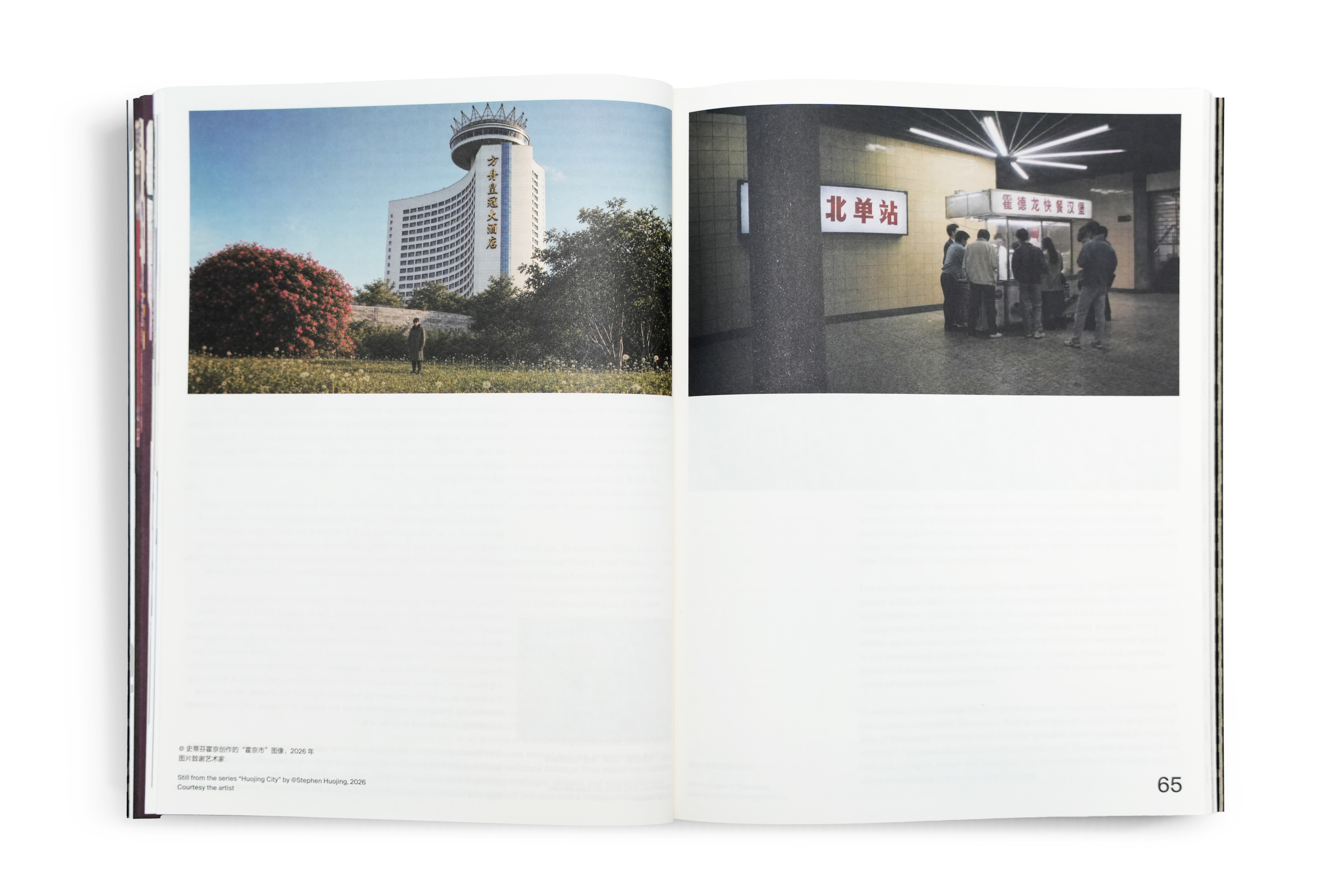
Mass-Produced Nostalgic Spaces: Vernacular AI Creation and Chinese Dreamcore
Text by Scarly Zhou
Thomasson in China, a Report
Composed by Hu Xiaojiang
The Invisible Ink Manual: Recipes and Historical Uses
Project by Amy Suo Wu
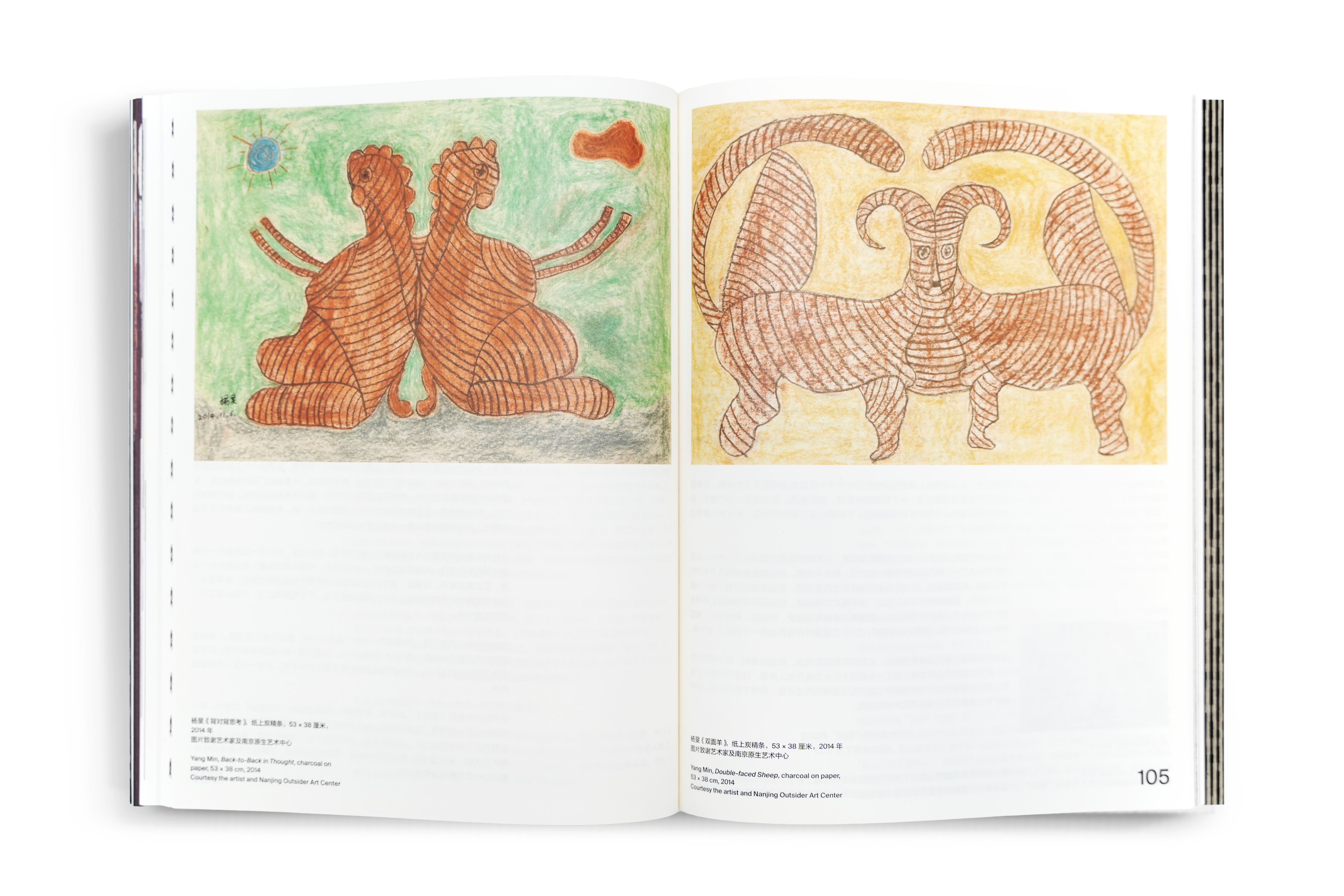
Those Who Leave Traces: A Field Journal of Art Brut
Text by Bu Lingyang
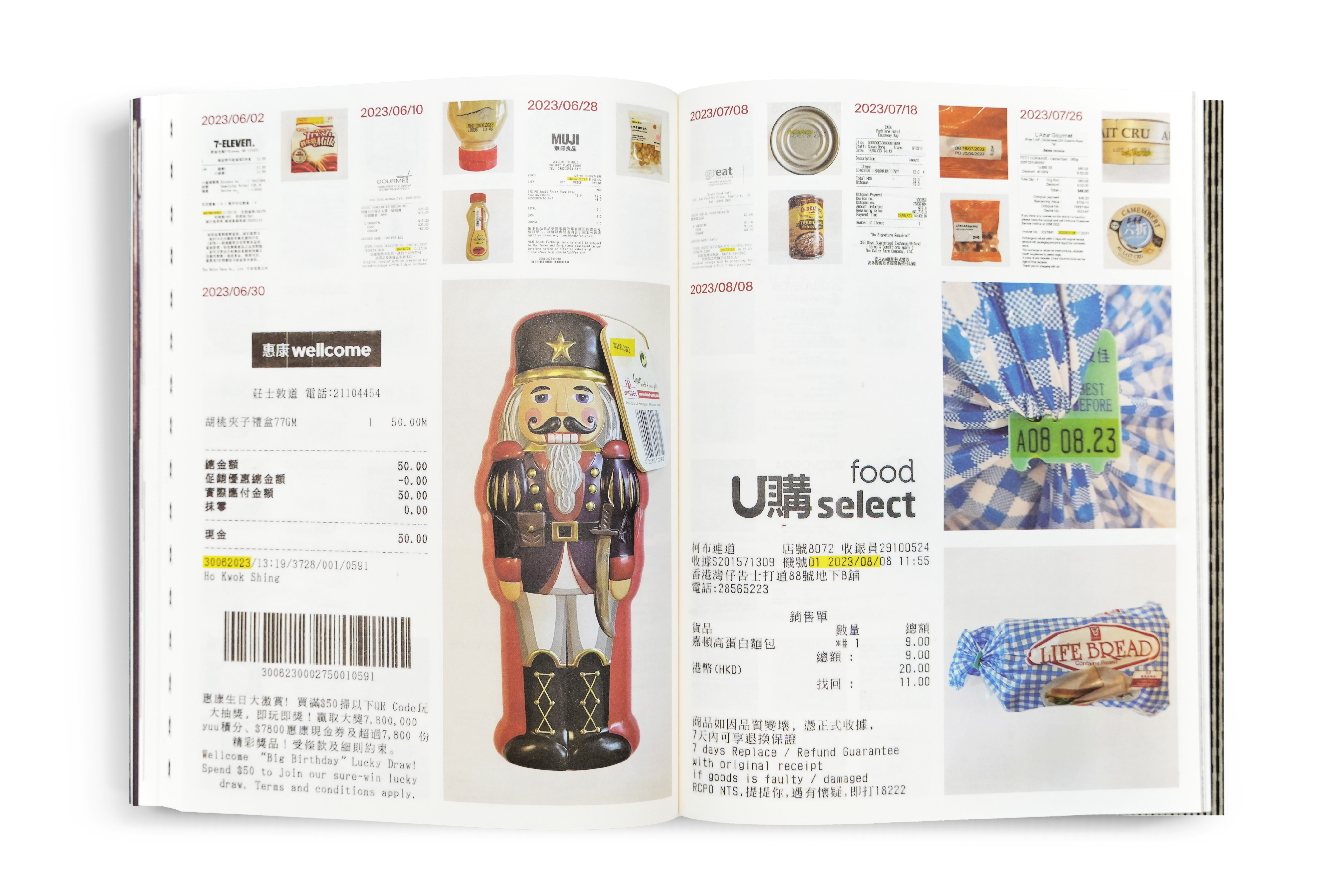
Best Before
Project by Ma Yujiang
Arcadia: Peaches and Solastalgia
Project by Hana Zhang
Renyao and Wild Beasts: Gender Crossing in Late Imperial China
Text by Zhongmu
Those Who Wear Nuo Masks
Project by Zhuang Xun
Zhou Yilun: Setting Up a Stall
Interview by Yao Jianan